Overspray Removal in NYC
Removal of paint, construction and industrial overspray from vehicle surfaces.
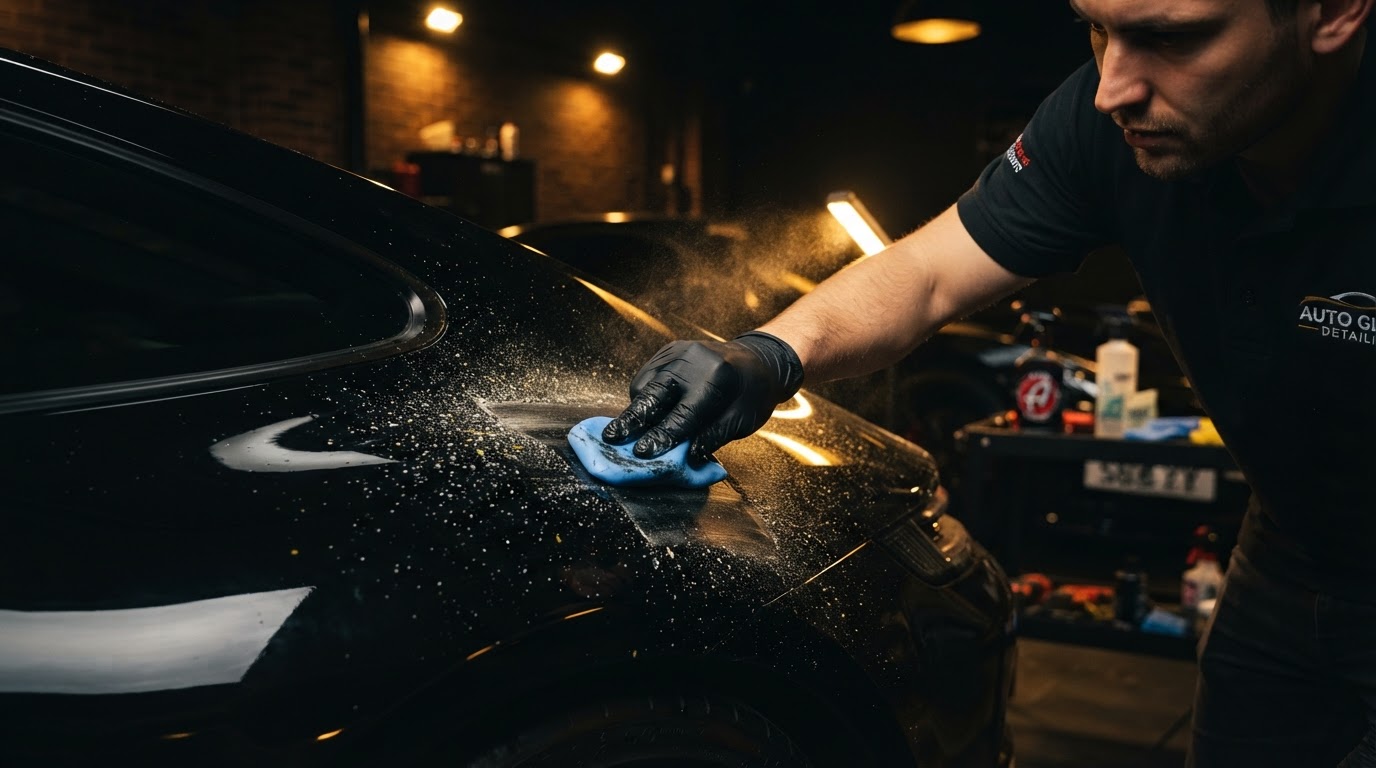
Overspray removal in NYC removes the fine mist of paint, compound, or industrial material that settles on vehicles near construction, painting, or industrial activity. Overspray bonds to paint and glass, creating a rough texture and dulling the finish, and requires specialized removal to restore the surface.
What This Service Covers
Our Detailing Process
1Assess
The overspray type and extent are assessed to choose the correct removal method.
2Remove
Specialized chemicals and clay lift the overspray from the paint and glass.
3Refine & Protect
The surface is refined and a protective layer is applied.
What Overspray Is and Where It Comes From
What Overspray Is and Where It Comes From
Overspray is the fine mist of material that settles on surfaces near spraying or painting activity. In NYC, where construction, building maintenance, and industrial activity are constant, overspray is a common contaminant. Paint from building exteriors, compound from road work, and industrial fallout all settle on parked vehicles as a fine, bonding mist.
The overspray creates a rough texture on the paint and glass, dulling the finish and, in the case of paint overspray, leaving visible speckles. Unlike loose dust, overspray bonds to the surface and cannot be removed by ordinary washing. It requires specialized chemicals and mechanical removal to lift.
For NYC drivers, particularly those who park near construction sites or in industrial areas, overspray is a frequent issue. The contamination accumulates over time, gradually roughening the surface and dulling the finish until professional removal restores the paint and glass.
Types of Overspray
Types of Overspray
Overspray comes in several types, each requiring a specific removal approach. Paint overspray — from building painting, bridge work, or other spraying — is the most common. Paint particles bond to the surface and require solvents or clay to lift, depending on the paint type.
Construction overspray includes concrete, compound, and the dust from cutting and grinding. These materials are abrasive and can scratch if not removed carefully. Chemical removers and clay lift the deposits, with particular care to avoid scratching during removal.
Industrial fallout — the fine metallic and chemical particles from industrial activity — is another form of overspray. Iron particles embed in the clear coat and require iron-specific chemicals to dissolve. Each overspray type is identified and addressed with the appropriate method, ensuring complete removal without damage.
The Overspray Removal Process
The Overspray Removal Process
Overspray removal begins with assessing the type and extent of the contamination. The overspray material is identified — paint, construction compound, industrial fallout, or a combination — so the correct removal method can be chosen. Using the wrong chemical or method can damage the paint, so this assessment is essential.
For paint overspray, solvents that break down the specific paint type are applied, softening the particles so they can be lifted. For construction and industrial overspray, specialized chemicals dissolve the deposits, and a clay bar mechanically lifts what remains. The combination of chemical and mechanical removal provides the most thorough result.
The process is performed carefully to avoid scratching. Overspray, particularly construction material, can be abrasive, so the removal lifts the contamination without dragging it across the paint. The surface is then refined — polished if the overspray has left any marring — and a protective layer is applied.
Overspray on Paint and Glass
Overspray on Paint and Glass
Overspray affects both paint and glass, and each requires appropriate care. On paint, the removal must be gentle, using chemicals and clay that lift the overspray without marring the clear coat. For paint overspray that has bonded heavily, solvents soften the particles before clay lifts them, protecting the finish during removal.
On glass, overspray removal can be more aggressive. Glass is harder than paint and can tolerate stronger solvents and, for stubborn deposits, fine abrasives or scraping. Glass overspray — particularly paint speckles on windshields and windows — is removed to restore clarity.
For both surfaces, the goal is complete removal of the overspray without damage to the underlying finish. The restored surface is smooth and clean, with the rough texture and dulling that the overspray caused eliminated. Protection is then applied to help prevent future contamination.
Overspray Removal Within a Detail
Overspray Removal Within a Detail
Overspray removal is often performed as part of a decontamination service or exterior detail. Within a detail, overspray is addressed during the decontamination stage, alongside other bonded contaminants like sap, tar, and iron. The specialized removal restores a smooth, clean surface.
For NYC drivers near construction or industrial activity, overspray removal is a valuable service for restoring the paint and glass. Combined with regular decontamination and protection, it keeps the surfaces smooth and free of the bonding contamination that city activity deposits.
Explore our car paint decontamination, clay bar treatment, and exterior car detailing services to see how overspray removal fits into a complete paint care program. As a targeted treatment or part of a full detail, professional overspray removal lifts paint, construction, and industrial overspray and restores the vehicle's finish.
FAQ
Overspray Removal NYC — Frequently Asked Questions
What is overspray?
Overspray is the fine mist of paint, compound, or industrial material that settles on vehicles near spraying or construction activity.
Can overspray be removed?
Yes. Specialized chemicals and clay lift overspray from paint and glass, restoring a smooth surface.
Will overspray damage my paint?
It dulls the finish and, if abrasive, can scratch. Prompt removal prevents lasting damage.
Can you remove paint overspray from glass?
Yes, with glass-safe solvents and careful scraping for stubborn deposits.
How do I prevent overspray?
Avoid parking near active construction and painting, and apply a protective coating to reduce contamination bonding.
Explore
Related Detailing Services
Interior Car Detailing NYC
Deep interior cleaning for seats, carpets, dashboard and every surface.
Exterior Car Detailing NYC
Exterior vehicle cleaning, paint care, wheels and surface protection.
Full Car Detailing NYC
Complete interior and exterior detailing in one comprehensive service.
Mobile Car Detailing NYC
On-site car detailing at your home, office, or location across NYC.
Paint Correction NYC
Automotive paint correction to remove swirls, scratches and defects.
Ceramic Coating NYC
Automotive ceramic coating for long-lasting paint protection and gloss.
Serving All Five Boroughs
Ready for a Showroom-Quality Detail?
Mobile car detailing available across Brooklyn, Manhattan, Queens, Staten Island & the Bronx.